Business Name: FootPrints Home Care
Address: 4811 Hardware Dr NE d1, Albuquerque, NM 87109
Phone: (505) 828-3918
FootPrints Home Care
FootPrints Home Care offers in-home senior care including assistance with activities of daily living, meal preparation and light housekeeping, companion care and more. We offer a no-charge in-home assessment to design care for the client to age in place. FootPrints offers senior home care in the greater Albuquerque region as well as the Santa Fe/Los Alamos area.
4811 Hardware Dr NE d1, Albuquerque, NM 87109
Business Hours
Monday thru Sunday: 24 Hours
Facebook: https://www.facebook.com/FootPrintsHomeCare/
Instagram: https://www.instagram.com/footprintshomecare/
LinkedIn: https://www.linkedin.com/company/footprints-home-care
Families hardly ever start comparing options like home care and assisted living on a clear day with lots of leisure time. More frequently, a small crisis pushes the discussion. A fall in the bathroom that rattles everybody. A missed out on medication that lands Mom in the ER. Or a sneaking pattern of lapse of memory that turns expenses into a stack of late notifications. When you're the adult child or the partner trying to make a responsible call, the option feels both individual and high stakes. I've sat around lots of kitchen tables with households because moment. There isn't a one-size response, however there is a method to make a sound choice that appreciates your loved one's requirements, worths, and budget.
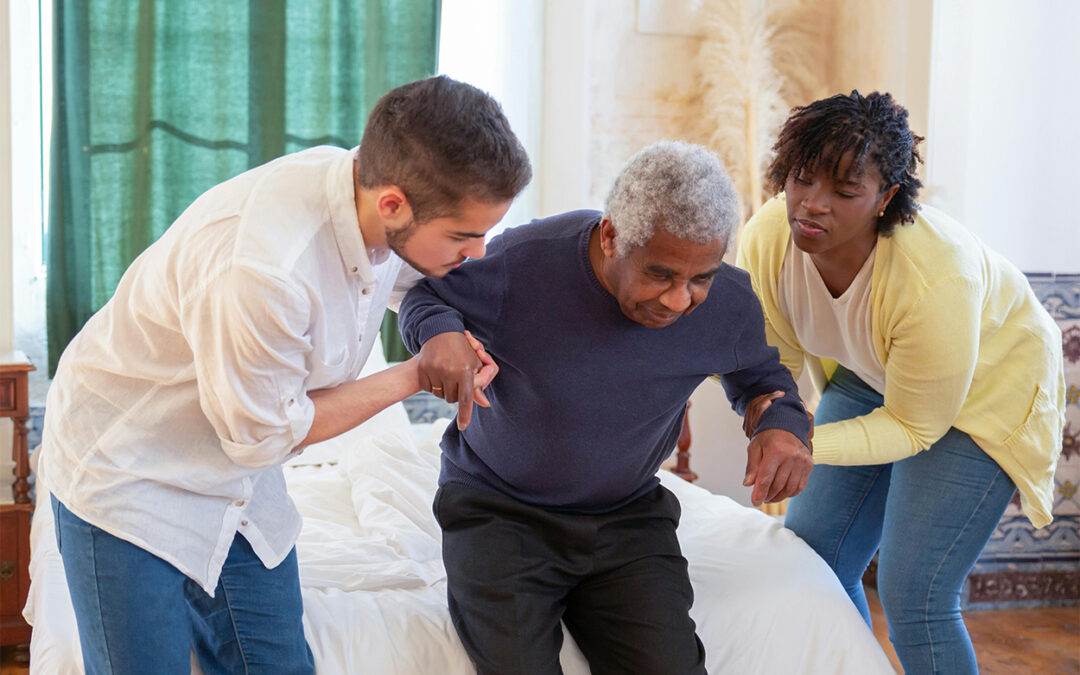
This guide strolls through the genuine distinctions in between staying at home with assistance and moving into an assisted living neighborhood. It explains costs in plain terms, checks out quality of life, and exposes the trade-offs that aren't obvious from sales brochures. You'll find a couple of practical tools for assessing your situation, and stories that show how households bridge the gap in between safety and independence.
What "home care" really covers
Home care, often called in-home care or elderly home care, brings aid to where your loved one lives now. It can be as light as a senior caretaker who visits two times a week for laundry and meal preparation, or as extensive as 24-hour care with turning aides. Agencies utilize overlapping terms, however the standard building blocks are consistent throughout many states.
Companion care focuses on social time, light housekeeping, trips to consultations, meal preparation, easy pointers, and check-ins. Think about it as the scaffolding that keeps everyday regimens consistent. For lots of older adults, this layer postpones the requirement for a bigger move by years.
Personal care enter hands-on support, such as bathing, dressing, grooming, toileting, and safe transfers. It takes training and tact to do this well. An experienced senior caretaker understands how to keep self-respect, speed the morning regimen, and prevent falls by setting up the environment correctly.
Medication support varies from spoken pointers to prefilled tablet organizers to nurse visits that handle complicated regimens or injections. In most states, caregivers can not "administer" medications unless accredited, but they can hint, observe, and report. When routines get made complex, a nurse can oversee management while assistants manage the rest.
Respite care gives family caretakers a break. It can be a single weekend, a few hours two times a week, or an organized week so you can travel without worrying. Households underestimate just how much a reliable respite schedule preserves everybody's health.
Skilled home health is a different advantage, typically covered by Medicare for short-term needs after surgical treatment or a hospitalization. Nurses, physiotherapists, and occupational therapists come to the home for scientific care and rehab. This service is time-limited, while senior home care is ongoing and personal pay.
The appeal of in-home senior care lies in its versatility. You can dial hours up throughout a healing stretch, then taper back to an upkeep level. You can combine it with adult day programs to add structure and social time. And you can focus support exactly where it counts, like morning showers and evening meal prep, while leaving afternoons complimentary for privacy.
What assisted living in fact provides
Assisted living sits between independent senior housing and nursing homes. Homeowners reside in private homes, generally studios or one-bedrooms, and the community supplies meals, housekeeping, social activities, transportation, and 24-hour personnel for support. The objective is to support self-reliance while ensuring help is always available.
The design works best when someone needs foreseeable aid with a couple of activities of daily living, values social connection, and is comfortable trading some personal privacy for a structured setting. The majority of assisted living neighborhoods tier their rates by "level of care." Level 1 might include light pointers and weekly assist with showers, while greater levels cover daily personal care, transfer assistance, and more frequent checks. There is usually a base lease for the apartment or condo, then a care strategy cost layered on top.
Memory care is the sibling program for locals living with dementia who require a protected environment and a personnel trained in interaction, redirection, and meaningful activity. Not all assisted living schools do memory care well. The best ones provide little, sensory-friendly areas and staff-to-resident ratios that support calm regimens. If dementia remains in the photo, hang around on this distinction.
A crucial expectation: assisted living is not a medical center. A nurse may be on-site for 8 to 16 hours a day, with on-call coverage at night. Locals who require two-person transfers, continuous oxygen monitoring, or complex injury care may be informed to bring in private duty caregivers or transition to a greater level of care.
Safety, independence, and the real daily rhythm
A health and wellness lens can oversimplify the choice. Yes, preventing falls matters. So does medication adherence. However when I see strategies fail, it's frequently because the everyday rhythm doesn't fit the person.
At home, regimens have muscle memory. Your father might sip coffee on the porch at dawn, listen to the weather, and check out the sports area before he says two words. A caretaker who respects that pattern can blend in and keep him on track. He may accept more aid in the house since it seems like support, not alter. That stated, the home itself needs to be safe. A split-level with high stairs and narrow doorways can turn personal care into a fumbling match. Sometimes modest home modifications, like grab bars, a comfort-height toilet, better lighting, and a shower bench, change the situation.
In assisted living, the structure comes built-in. Meals are at set times, medications delivered on a schedule, activities published on a calendar. For some, that rhythm is liberating. The day has shape, people know their name, house cleaning shows up without being asked, and the dining-room becomes the social heart. For others, the loss of control grates. If your loved one is private, shy, or worths spontaneous options, test the fit by checking out throughout a regular weekday and remaining. View who takes part. Listen to the background noise. Ask if residents can consume in their home without penalty.
Anecdotally, I have actually seen a retired teacher, widowed and lonesome, blossom in assisted living within 3 months. She led a book club, walked the halls with a brand-new friend after dinner, and stopped avoiding meals. I have actually also supported a previous engineer who tried two neighborhoods and lasted 4 weeks in each before returning home with a focused home care service, plus physical treatment and a pet dog walker. He slept much better at home, that made everything else work.
Cost, without the wishful thinking
Cost contrasts get slippery due to the fact that line products hide in different locations. With in-home care, you pay by the hour for caregivers, plus whatever you already invest to run a household. With assisted living, you pay a bundled month-to-month cost. People frequently forget to include taxes, upkeep, food, transportation, and the real number of home care hours needed.
As of recent market ranges in many U.S. areas, non-medical home care from a reliable company runs around 28 to 40 dollars per hour. Rural areas may be lower, high-cost city areas greater. If your loved one needs 8 hours a day, 7 days a week, you remain in the range of 6,300 to 9,800 dollars per month. Over night care is typically billed at a flat rate if the caretaker can sleep, or per hour if they must remain awake. Twenty-four hour coverage, with 2 or 3 rotating caretakers, can exceed 16,000 monthly. On the other hand, if you only require 12 to 18 hours a week to cover showers, shopping, and house cleaning, the mathematics can land under 3,000 per month.
Assisted living base rates differ extensively. A studio in a mid-market neighborhood may start around 3,500 to 5,500 dollars each month. Include care levels, and the expense can increase to 6,000 to 8,500 dollars. Memory care often runs 6,500 to 9,500 dollars or more. Cities with high realty costs and tight labor markets sit at the top of these ranges. Entry costs are rare in assisted living, but community costs for move-in are common.
Hidden expenses exist in both directions. In your home, continuous costs consist of utilities, property taxes, lawn care, repairs, groceries, materials, and transport. In assisted living, bonus might include cable, visitor meals, beauty parlor services, incontinence supplies, medication packaging, or fees for escort to meals. Ask for a sample monthly statement from a common resident with similar needs.
Funding options can soften the load. Long-lasting care insurance coverage may compensate either home care services or assisted living expenses, however policies differ in removal durations, daily maximums, and needed documents. Veterans and making it through spouses should check out Help and Attendance benefits. Medicaid can cover individual care in the house in lots of states and can likewise money assisted living in limited slots. Medicare does not pay for long-term custodial care, in your home or in a center, though it covers experienced home health and short rehabilitation stays.
Health needs that idea the scale
Some conditions adapt neatly to home care. Others are better served in a well-run neighborhood. The key is to match the care environment to the clinical and behavioral realities.
Dementia needs not only safety however also a prepare for structured engagement and caretaker stamina. Early to mid-stage dementia frequently does well at home with constant routines, visual hints, and a small team of familiar caretakers. As the disease advances, caregivers may require two-person help for transfers, constant cueing for toileting, and high tolerance for repetitive concerns or nighttime roaming. Memory care units are designed for exactly these patterns. The choice point frequently comes when nighttime sleep degrades or habits escalate, and a single family home can not maintain 24-hour guidance without burning out.
Mobility constraints can go in any case. If your home can accommodate a walker or wheelchair, and safe transfers are feasible with one caretaker, in-home care fits. If your loved one requires mechanical lifts or more individuals for every transfer, numerous assisted living communities will struggle unless you include private task assistants, which raises costs.
Medical intricacy matters. If your loved one manages steady persistent conditions like hypertension, diabetes on oral meds, and osteoarthritis, either setting works. If they require regular nursing interventions, oxygen titration, complex injury care, or are clinically unsteady, you might be taking a look at an experienced nursing center or a hybrid strategy with home health nurses and strong family oversight.
Behavioral health https://arthurpmju936.almoheet-travel.com/home-care-service-vs-assisted-living-hidden-costs-to-watch-for is the quiet factor. Untreated depression, stress and anxiety, alcohol abuse, or hoarding can make both settings hard. Neighborhoods might discharge residents who are risky or disruptive. In your home, caretakers can't fix what a great clinician needs to address. Make mental health part of the evaluation, not an afterthought.
Lifestyle, personal privacy, and relationships
It's impossible to overstate the worth of familiar environments. The brain maps home through countless micro-choices. Where the favorite mug lives. The sound the back door makes. The method light falls in the den at 4 p.m. Home care protects this map. For some older adults, that continuity keeps them oriented and calm.
Assisted living changes familiarity with benefit and neighborhood. Succeeded, it offers the energy of a small area. Hairdresser on Tuesdays, egg salad that tastes like egg salad, a bridge table that requires a fourth, and personnel who notice when you avoid lunch. If isolation is a peaceful threat, assisted living frequently resolves it in a week.
Family dynamics matter. If you are the primary caregiver, your accessibility forms the decision. A child who can drop in daily for an hour plus a trustworthy home care service can hold a plan together for years. A spouse who is frail or a child who lives two states away might lean on assisted living to supply the everyday oversight they can not. Neither option is failure. It is logistics lined up with love.
Pets should have a mention. Many assisted living communities permit small dogs or felines, but guidelines vary, and walking a canine becomes harder with movement modifications. In your home, a pet can be a lifeline for purpose. Take a look at the complete photo before deciding.
Predictable risks and how to avoid them
The first mistake is undervaluing required hours. Families typically start with the minimum, like 3 early mornings a week of in-home care, because it feels less intrusive. That can work for a season, however if showers develop into hour-long events or roaming begins at night, you require to include hours rapidly. Build a cushion into your plan so you can increase assistance without scrambling.
The second is overlooking caregiver continuity. With senior home care, turnover happens. Agencies with strong scheduling teams, training programs, and a culture of gratitude hold onto excellent caregivers. Ask directly about connection rates. A revolving door makes sensitive care, such as bathing or dementia support, harder on everyone.
Third, moving late. If assisted living is likely within 6 to 12 months, moving while your loved one can still adapt pays dividends. Residents who discover the structure, recognize staff, and form a number of relationships early have much better results. Awaiting the next crisis frequently causes a tough adjustment.
Fourth, falling for features over care quality. A theater space is nice. Empathy is non-negotiable. View staff-resident interactions. Do call bells get the answer? Does the medication nurse know homeowners beyond their chart? Do housemaids greet individuals by name? Your senses will inform you more than the brochure.
A practical way to compare your options
Use this brief exercise to equate concern into a strategy. It is not about excellence, just clarity.
- Map the day-to-day peaks. Document the hours of the day that are most difficult. Morning shower and dressing? Late afternoon sundowning? Nighttime bathroom trips? Match assistance to these peaks initially, whether in the house or in a community. Clarify the must-haves. Recognize three non-negotiables that specify quality of life for your loved one. It might be oversleeping until 9, staying with a cat, participating in church, or keeping a garden. Utilize these to test fit. If assisted living can honor them, it's an excellent sign. If home care can include them without stress, even better. Pressure-test the budget plan. For home care, rate out two scenarios: a base plan and a rise plan for disease or respite, then add family expenses. For assisted living, rate base rent, most likely care level, and common extras. If both paths are possible, you have flexibility. If only one is sustainable, name it and plan within it.
Blended plans that work in the real world
The option is not always either-or. Lots of households use combined approaches.
One pattern: begin with home care service 3 mornings each week for bathing, light housekeeping, and a nutritious lunch in the refrigerator. Add an adult day program 2 days a week to enhance social time and offer the household caregiver a break. If amnesia progresses, transition to assisted living or memory care with a private responsibility caretaker visiting twice a week for an hour to handle personalized tasks like hair washing, which your loved one discovers easier with a familiar face.
Another: transfer to assisted living for social support and meals, however keep home look after specific individual care tasks that the neighborhood can not cover within its staffing design, like twice-weekly showers or one-on-one mealtime support. The combined expense can be less than full 24-hour home care and provides a safety net.
A third: seasonal strategies. Live at home with at home senior care the majority of the year, then set up a short-term respite stay in assisted living throughout a caretaker's surgical treatment or a household journey. Some neighborhoods use provided respite apartment or condos for 2 to 6 weeks.

What a thorough evaluation looks like
If you welcome a reputable company for senior home care into your home, anticipate a nurse or care manager to ask targeted concerns and see thoroughly. They will take a look at your loved one's gait, balance, and transfer techniques. They will determine doorways, eyeball stair height, and examine shower security. They will inquire about bladder patterns, hunger, sleep, and mood, then listen for the unmentioned parts like disappointment, worry, or humiliation. If an agency avoids this and jumps straight to offering hours, keep interviewing.
When touring assisted living, visit two times, ideally when unannounced during a weekday afternoon. Eat a meal. Ask to see the smallest apartment and the biggest, even if you believe you know. Ask how they manage a resident who refuses a shower for three days, or who roams at 3 a.m. Great teams address with particular processes, not vague assurances. Observe activity rooms without a guide. Are homeowners engaged or do they look parked?
Caregiver capability and sustainability
Families often make brave pledges. The desire to keep your loved one home is easy to understand. The question is whether your body, task, marriage, and financial resources can sustain the strategy. I have actually seen primary caretakers end up hospitalized from exhaustion, then feel guilty for getting sick. Do not wait for a collapse to check your plan.
Write down what you personally can do each week and for for how long. Possibly you can manage meals and medication setup, however bathing triggers conflict. Perhaps you can handle nights, but early mornings are impossible due to the fact that of work. Align home care shifts to your limitations. If the formula still feels breakable, assisted living might be the sustainable answer, with you returning to the role of advocate and son or daughter, not 24-hour attendant.
Signs it is time to pivot
There are trusted signals that your existing strategy is no longer safe or humane. Several falls within a month signal a change in balance, medications, or environment. Substantial weight reduction or dehydration indicates insufficient meal consumption or unrecognized swallowing concerns. New incontinence without a medical cause frequently accompanies cognitive modification and increases skin breakdown danger. Nighttime wandering that beats alarms and locks increases risk. Caretaker burnout shows up as irritability, sleep loss, seclusion, and health problems. If you are seeing several of these together, it is time to reassess with your physician and care group, and to review assisted living or a greater level of at home care.
How to discuss the decision without a fight
Older grownups withstand change for good reasons. The technique is to anchor the discussion in worths, not fear. Instead of "You can't live alone any longer," try "I desire you to keep deciding how your day goes. To do that safely, we need a little assist with showers." Rather than "We're moving you," state "Let's tour 2 locations so you can tell me what you like and don't like. If neither fits, we'll build more assistance in the house."
Bring your loved one into choices that matter. Which caretaker personality clicks for them? Morning or afternoon showers? A garden-view apartment or one close to the dining room? Individuals accept modification when they keep company in the parts they care about.
Red flags when selecting a firm or community
Due diligence prevents distress. With agencies, be wary of low rates far below local averages, absence of licensing where required, no criminal background checks, or vague responses about training and guidance. Ask how they handle a no-show for a shift at 7 a.m. You desire a clear plan within the hour.
With assisted living, warnings consist of frequent management turnover, personnel who seem rushed or disengaged, odors that persist in hallways, and residents parked in wheelchairs dealing with televisions for long stretches. Ask about state study outcomes and how they resolved deficiencies. Openness is an excellent sign.
Building a plan you can live with
Your decision is not a decision on love. It is a care prepare for a particular person at a particular time. Home care shines when routine, familiarity, and targeted assistance hold the day together, and when the home environment can be ensured. Assisted living shines when social structures, predictable care, and 24-hour accessibility matter most, and when family logistics demand trusted coverage.
Whichever path you choose, build in review points. Schedule a 60-day check after any change. Invite feedback from caretakers, nurses, and your loved one. Change as needed. Excellent senior care is less a destination than a series of thoughtful recalibrations.
And offer yourself permission to alter your mind. If the very first firm doesn't deliver, try another. If the very first assisted living community feels wrong after a month, talk with the director about particular problems and request for a plan, or examine a different neighborhood. The objective stays continuous: a life that is as safe, dignified, and connected as possible.
If you are going back to square one, begin small. Organize a two-hour in-home visit for bathing and lunch, then see how your loved one reacts. Tour 2 assisted living communities and consume a meal in each. Cost both options with practical numbers. Then choose the path that gets you a peaceful night's sleep, not since you stopped caring, however because you developed care that holds.
FootPrints Home Care is a Home Care Agency
FootPrints Home Care provides In-Home Care Services
FootPrints Home Care serves Seniors and Adults Requiring Assistance
FootPrints Home Care offers Companionship Care
FootPrints Home Care offers Personal Care Support
FootPrints Home Care provides In-Home Alzheimer’s and Dementia Care
FootPrints Home Care focuses on Maintaining Client Independence at Home
FootPrints Home Care employs Professional Caregivers
FootPrints Home Care operates in Albuquerque, NM
FootPrints Home Care prioritizes Customized Care Plans for Each Client
FootPrints Home Care provides 24-Hour In-Home Support
FootPrints Home Care assists with Activities of Daily Living (ADLs)
FootPrints Home Care supports Medication Reminders and Monitoring
FootPrints Home Care delivers Respite Care for Family Caregivers
FootPrints Home Care ensures Safety and Comfort Within the Home
FootPrints Home Care coordinates with Family Members and Healthcare Providers
FootPrints Home Care offers Housekeeping and Homemaker Services
FootPrints Home Care specializes in Non-Medical Care for Aging Adults
FootPrints Home Care maintains Flexible Scheduling and Care Plan Options
FootPrints Home Care is guided by Faith-Based Principles of Compassion and Service
FootPrints Home Care has a phone number of (505) 828-3918
FootPrints Home Care has an address of 4811 Hardware Dr NE d1, Albuquerque, NM 87109
FootPrints Home Care has a website https://footprintshomecare.com/
FootPrints Home Care has Google Maps listing https://maps.app.goo.gl/QobiEduAt9WFiA4e6
FootPrints Home Care has Facebook page https://www.facebook.com/FootPrintsHomeCare/
FootPrints Home Care has Instagram https://www.instagram.com/footprintshomecare/
FootPrints Home Care has LinkedIn https://www.linkedin.com/company/footprints-home-care
FootPrints Home Care won Top Work Places 2023-2024
FootPrints Home Care earned Best of Home Care 2025
FootPrints Home Care won Best Places to Work 2019
People Also Ask about FootPrints Home Care
What services does FootPrints Home Care provide?
FootPrints Home Care offers non-medical, in-home support for seniors and adults who wish to remain independent at home. Services include companionship, personal care, mobility assistance, housekeeping, meal preparation, respite care, dementia care, and help with activities of daily living (ADLs). Care plans are personalized to match each client’s needs, preferences, and daily routines.
How does FootPrints Home Care create personalized care plans?
Each care plan begins with a free in-home assessment, where FootPrints Home Care evaluates the client’s physical needs, home environment, routines, and family goals. From there, a customized plan is created covering daily tasks, safety considerations, caregiver scheduling, and long-term wellness needs. Plans are reviewed regularly and adjusted as care needs change.
Are your caregivers trained and background-checked?
Yes. All FootPrints Home Care caregivers undergo extensive background checks, reference verification, and professional screening before being hired. Caregivers are trained in senior support, dementia care techniques, communication, safety practices, and hands-on care. Ongoing training ensures that clients receive safe, compassionate, and professional support.
Can FootPrints Home Care provide care for clients with Alzheimer’s or dementia?
Absolutely. FootPrints Home Care offers specialized Alzheimer’s and dementia care designed to support cognitive changes, reduce anxiety, maintain routines, and create a safe home environment. Caregivers are trained in memory-care best practices, redirection techniques, communication strategies, and behavior support.
What areas does FootPrints Home Care serve?
FootPrints Home Care proudly serves Albuquerque New Mexico and surrounding communities, offering dependable, local in-home care to seniors and adults in need of extra daily support. If you’re unsure whether your home is within the service area, FootPrints Home Care can confirm coverage and help arrange the right care solution.
Where is FootPrints Home Care located?
FootPrints Home Care is conveniently located at 4811 Hardware Dr NE d1, Albuquerque, NM 87109. You can easily find directions on Google Maps or call at (505) 828-3918 24-hoursa day, Monday through Sunday
How can I contact FootPrints Home Care?
You can contact FootPrints Home Care by phone at: (505) 828-3918, visit their website at https://footprintshomecare.com, or connect on social media via Facebook, Instagram & LinkedIn
Strolling through historic Old Town Albuquerque offers a charming mix of shops, architecture, and local culture — a great low-effort outing for seniors and their caregivers.